

Homeless People in America
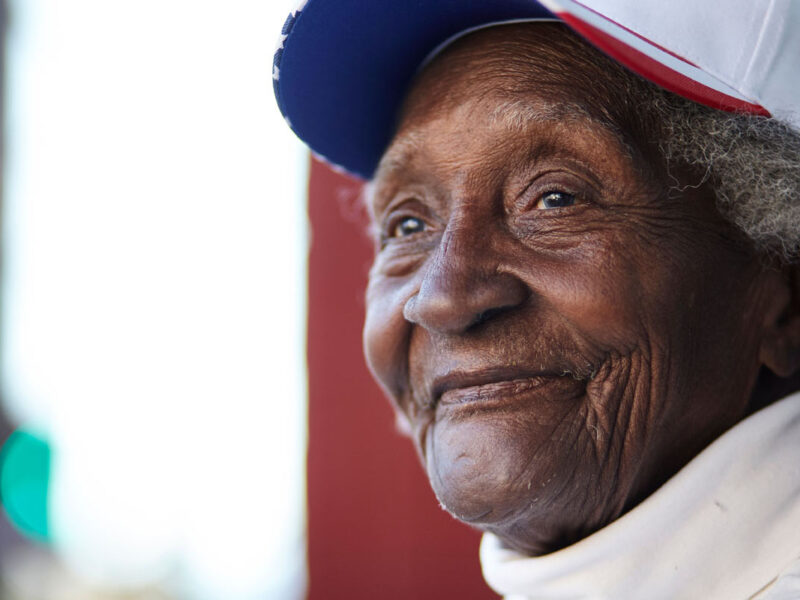
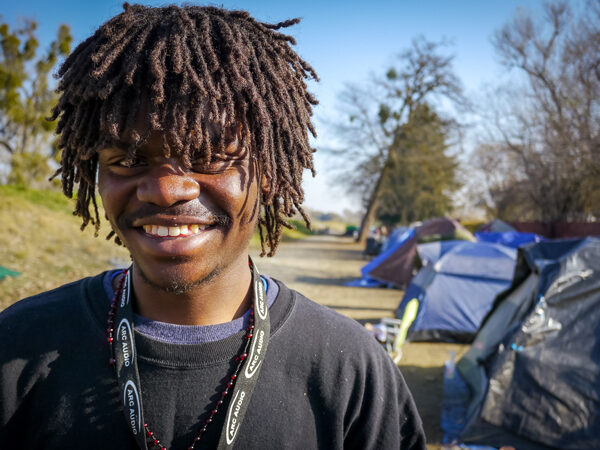
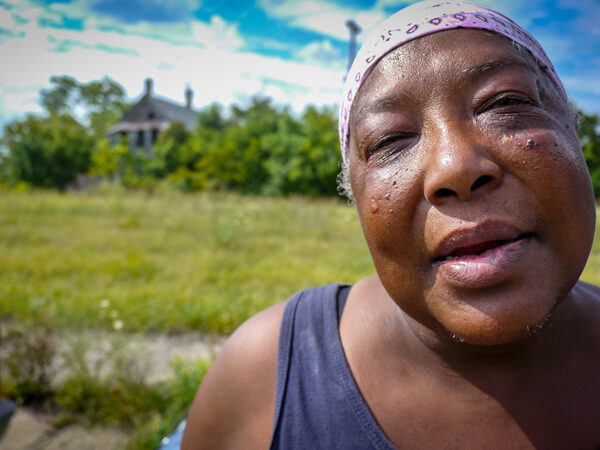
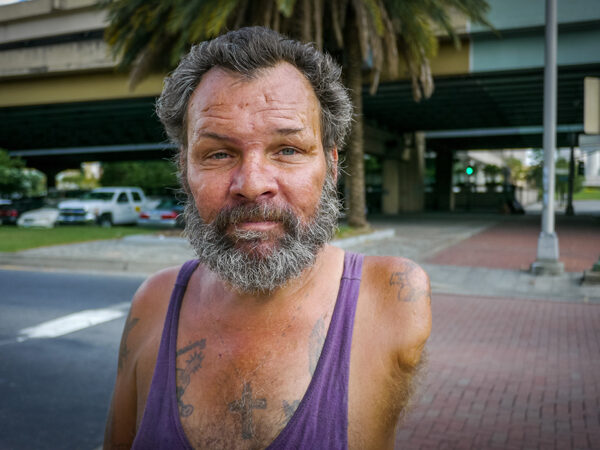
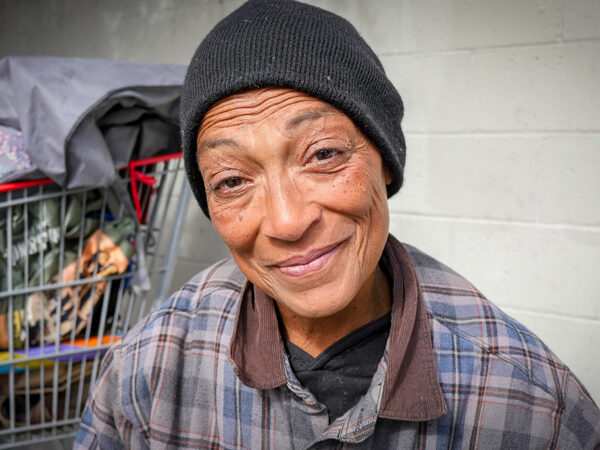
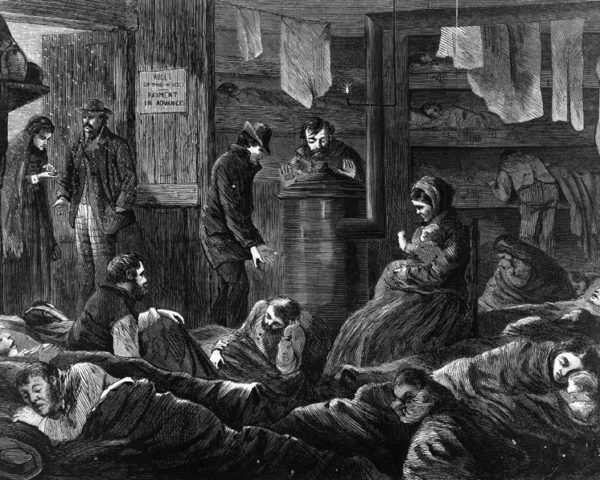
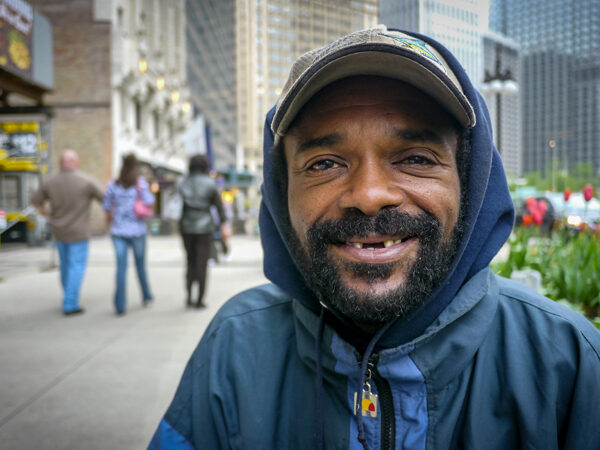
The homeless men and women you see sitting on a sidewalk, in a park, or living in other public spaces are the most visible members of the homeless population. Some are unhoused temporarily and eventually reconnect with family or find housing—at least for a time. Others, however, experience chronic homelessness.
Adults who are chronically homeless are often categorized as “single,” but that doesn’t mean they’re always alone. Some are parents whose children are not with them. Others are accompanied by spouses, partners, or friends.
The U.S. Department of Housing and Urban Development (HUD) defines chronic homelessness as being homeless for at least a year or repeatedly over time while also living with a disabling condition, such as a physical disability, serious mental illness, and/or substance use disorder. These conditions make it difficult to find and maintain stable housing. By “homeless,” HUD means someone is sleeping in a place not meant for human habitation or staying in an emergency shelter. “Repeatedly” means at least four episodes of homelessness in the past three years totaling 12 months or more.
Chronic Homelessness by the Numbers
- The 2024 Annual Homeless Assessment Report found that approximately 771,000 people experienced homelessness on a single night in 2024—an 18% increase from 2023.
- The number of people experiencing chronic homelessness has also continued to rise. In 2024, HUD reported a 24% increase in chronic homelessness compared to 2007, when data collection began.
Risk Factors for Chronic Homelessness
Several structural and personal factors increase the risk of chronic homelessness, including:
- Lack of affordable housing
- Lack of jobs that pay a living wage
- Unexpected or unmanageable health care costs
In 2010, the average age of people experiencing chronic homelessness was around 50 years old. Today, the majority of chronically homeless individuals are between 55 and 64. Aging while homeless compounds the risks people face and increases their vulnerability to illness and injury.
The Health Impacts of Chronic Homelessness
Living outdoors or in public spaces is physically and mentally taxing. Exposure to wind, rain, snow, and extreme temperatures can lead to prolonged illness. In fact, hypothermia can begin at temperatures between 32°F and 50°F, especially when combined with wet clothing or wind chill.
People experiencing chronic homelessness are more likely to face:
- Chronic pain
- Skin, foot, and dental issues
- Illnesses such as tuberculosis, hypertension, asthma, and diabetes
- Sexually transmitted infections, including HIV and AIDS
Mental health challenges are also more common. Homeless adults are significantly more likely to experience psychiatric disorders and to use tobacco and other substances—often as a form of coping with trauma or physical pain.
Living without stable shelter also increases exposure to violence. Chronically homeless individuals are at higher risk of being victims of:
- Theft and physical assault
- Sexual harassment and rape
- Human trafficking and sexual exploitation
- Verbal harassment and emotional abuse