

Increased Odds of Experiencing Homelessness
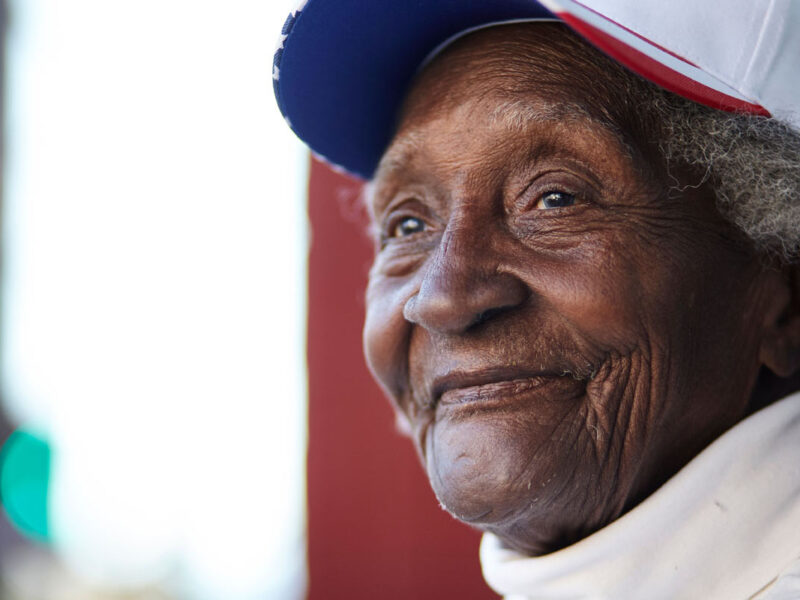
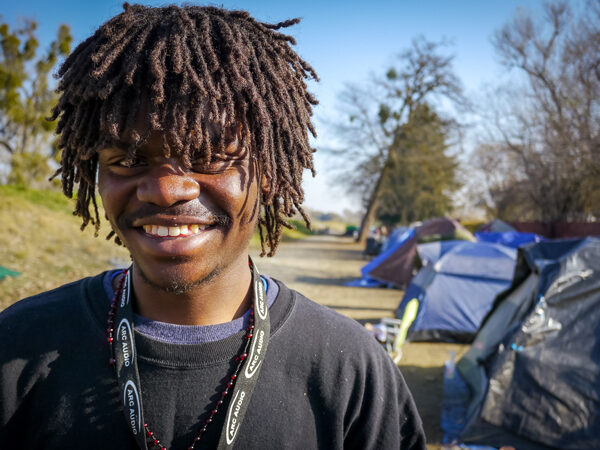
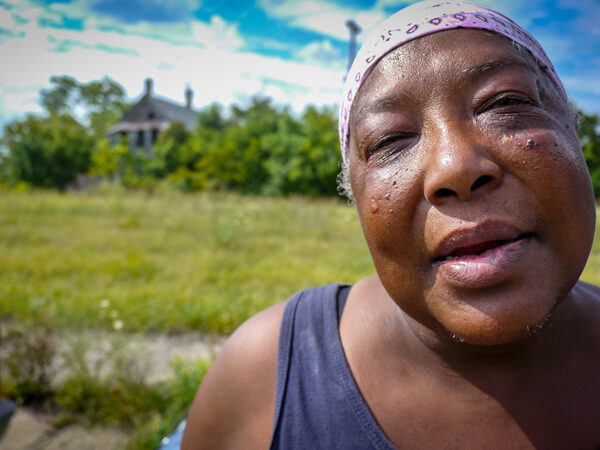
Black and Native Americans are significantly more likely to experience homelessness than other racial and ethnic groups in the United States—an outcome rooted in long-standing racial discrimination in housing, employment, and access to economic opportunity.
Although Black people make up just 13% of the U.S. population and 21.4% of those living in poverty, they account for 32% of the homeless population. In New York City alone, approximately 58% of homeless shelter residents are Black, while only 7% are white. Latino people make up about 31% of shelter residents.
Black youth are 85% more likely to experience homelessness than their white peers. One study found that in cities like New York and Philadelphia, Black Americans were 16 times more likely than white Americans to live in shelters. Among children under the age of five, Black children were 29 times more likely to experience shelter homelessness than white children.
Native Americans also face stark disparities. In 2019, individuals identifying as American Indian or Alaska Native made up 4.7% of the unsheltered homeless population nationwide, despite representing only about 1.3% of the total U.S. population.
These inequities are not accidental—they are the result of systemic racism. A 2013 HUD study found that people of color are shown fewer rental units than white renters and are more often denied leases based on credit history. They also pay higher security deposits and application fees. In 2018 and 2019, about 18% of Black mortgage applicants were denied by lenders—more than twice the denial rate of white applicants. Employment discrimination compounds the problem: studies consistently show that white job applicants receive 36% more callbacks than equally qualified Black applicants.
When people face discrimination in both housing and employment, the risk of homelessness increases dramatically. Addressing these racial disparities is essential to any meaningful solution to homelessness in America.
Is Poverty a Major Factor?
Is homelessness tied to the number of Black Americans living in poverty? Poverty is a major factor in determining who becomes homeless—but it doesn’t tell the whole story. Even when controlling for poverty, Black Americans experience homelessness at significantly higher rates than white Americans living in poverty.
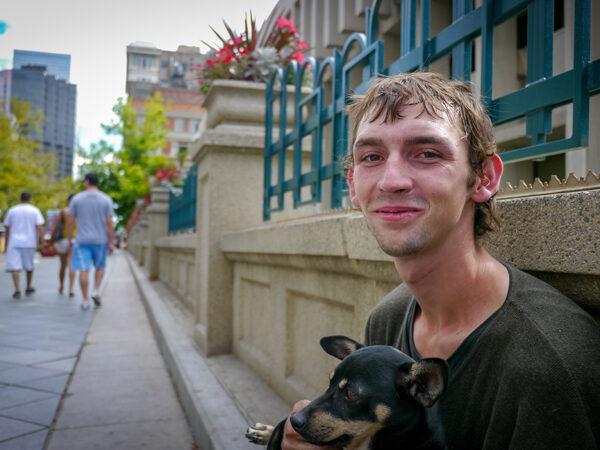
A deeper look at the history of homelessness shows that other marginalized groups are also at greater risk. This includes people with physical and mental disabilities, individuals struggling with alcoholism and substance use, women, children, youth, and seniors.
To truly solve homelessness, we must confront the role race and racism play in our country’s housing and employment systems. We must also root out racial bias from human and social service programs that are meant to support vulnerable people.
Organizations like SPARC: A C4 Racial Equity Initiative have been working to embed racial equity into homelessness programs, systems, and policies. But that work is now under threat. In today’s rapidly shifting political and funding landscape, social service organizations must continue to champion fairness, access, inclusion, and representation—while staying mindful of the growing risks. Adequate federal funding and staffing capacity are more important than ever to support communities experiencing homelessness.