

Jennifer and Michael: Love, Epilepsy, and Homelessness in Bakersfield After a Hospital Discharge
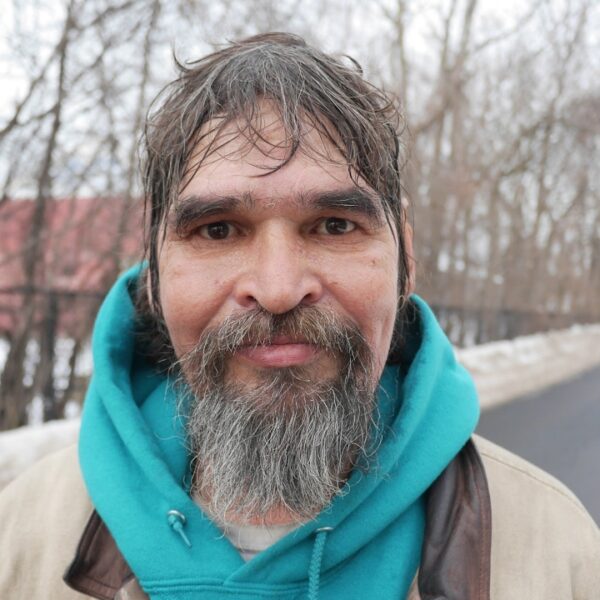
In Bakersfield, California, Jennifer and Michael were living in a tent along the river when we met them. It was the kind of home that gets rebuilt more than once. Their previous tent didn’t survive one of Jennifer’s grand mal seizures, which tore through the walls.
Jennifer has epilepsy, and she said the heat triggers her seizures often. In a city where summers are hard, that made an already difficult life dangerous.
Surviving Along the River
At the time of filming, Michael had been homeless since 2011 and Jennifer for about a year and a half. To get by, they worked however they could, including collecting cans. Jennifer received disability, but she said it didn’t stretch far.
“There’s not the help out there that people think there is for homeless people,” she said.
Even so, they found each other. They met along the river and had been married six months, in a ceremony between two trees near their camp. When Michael asked her to marry him, Jennifer did what they call the happy dance, right in the middle of the street.
The Day the Hospital Sent Her Away
Jennifer’s hardest memory involves a hospital, not the river. After a grand mal seizure on her birthday, she was put in a taxi and dropped off on the other side of Oildale, before she had fully come out of the seizure.
Jennifer said her seizures leave her disoriented, and she told the driver nothing looked familiar. She was told to get out. She had no shoes and no jacket.
She doesn’t remember how she ended up on a sidewalk with a blanket. It took her two days to reach Michael, and only after a stranger gave her a pair of shoes. Michael, meanwhile, couldn’t get any information from the hospital about where she was. Jennifer said she told them afterward not to call that hospital again.
She is clear that not every hospital treats people this way. Some treat you well, she said. Others don’t.
Care That Comes to Them
What helped was a local doctor who met them where they lived. Jennifer saw him about once a week. He helped manage her epilepsy medication, treated a fungal infection on Michael’s hand, and was working on a plan for Michael’s hernia. Jennifer said she could talk to him and “know that he’s not going to judge me.”
Their story is part of a larger feature on street medicine in Bakersfield. You can watch more in Reaching Homeless People Through Their Pets: Street Medicine Bakersfield.
A Policy Question, Not Just a Personal Story
Discharging homeless patients into unsafe situations is a practice often called “patient dumping,” and California has moved to address it.
Under SB 1152, in effect since 2019, hospitals must have a written discharge policy for homeless patients and, before discharge, offer things like a meal, weather-appropriate clothing, and transportation to a destination. Jennifer’s account raises a fair question about how those protections work in practice for people who are sick, disoriented, and have no address to return to.
Advocates elsewhere in California have raised similar concerns. Invisible People’s reporting on alleged patient dumping at Los Angeles General Hospital describes a medically fragile woman who advocates say was discharged to the streets and later died, though state regulators closed their investigation without substantiating the complaint. Our reporting on the system sending homeless patients back into crisis looks at the same pattern on the East Coast.
What Jennifer and Michael Want Us to Know
Underneath the hardship, this is a love story. Two people found each other in a place where they were told they had nothing, and built a marriage, a routine, and a support system. What they lack is what every person needs: a safe place to live and healthcare that doesn’t end at the hospital door.
Homelessness isn’t a personal failing. It’s shaped by the decisions of lawmakers, healthcare systems, and institutions.