
Mark

Featured Video Play Icon

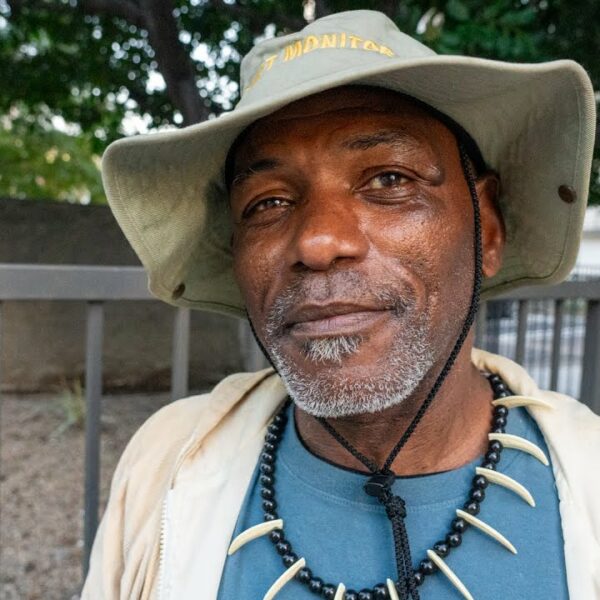
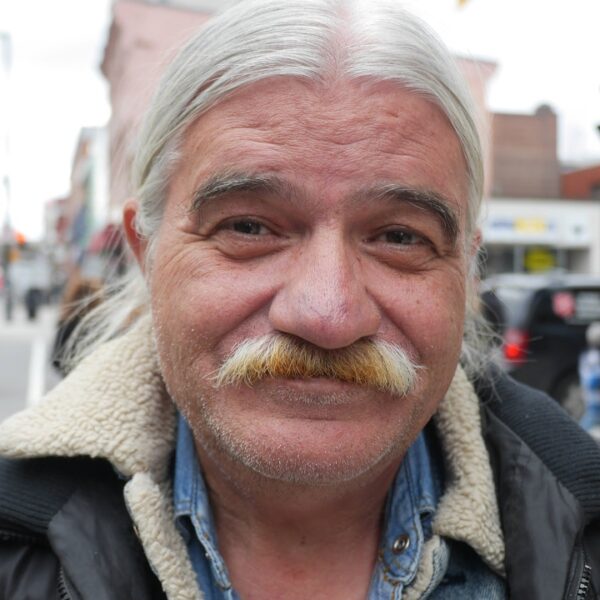
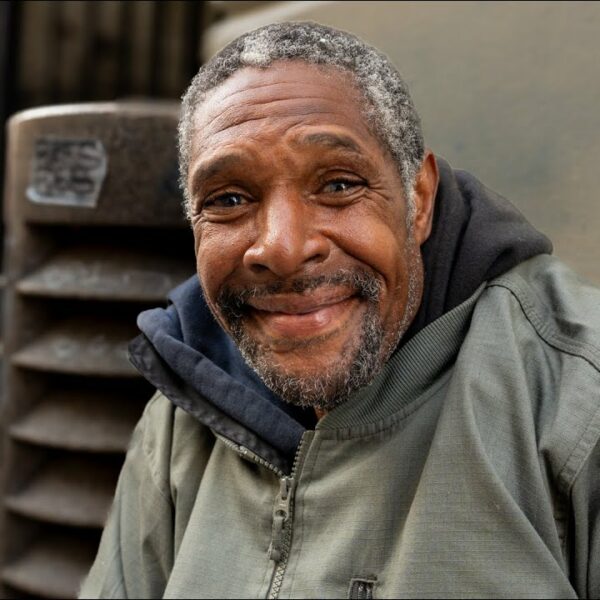
I met Mark at a soup kitchen in Anchorage, Alaska. He described himself as an average American–six to eight credit cards, a home, boat, and truck. But one day he came home to a basement full of sewage.

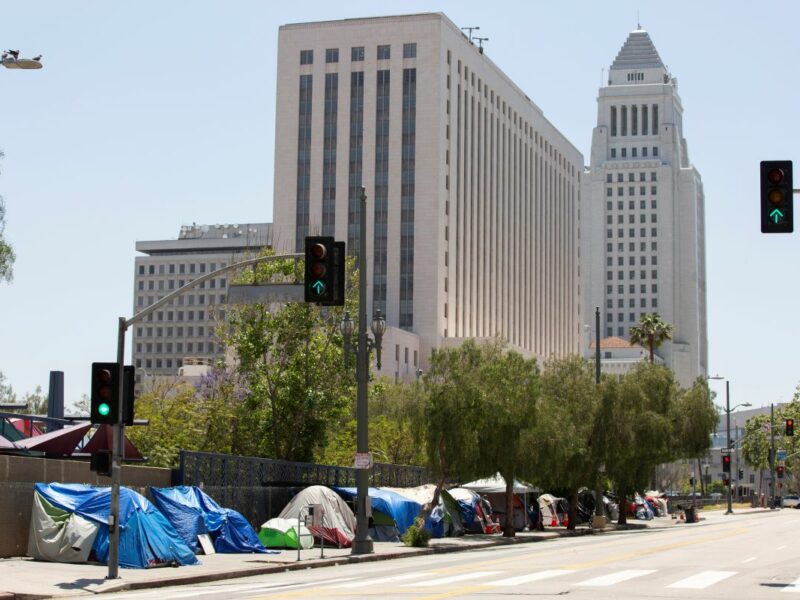
He ended up keeping his debt but losing everything else. He lived in a tent in the Alaskan cold, taking work whenever he could get it. Now, he lives in a hotel and has periodic work. And he’s able to survive on unemployment. Mark hopes that with the spring, more jobs will come to Anchorage.

If Mark had three wishes, he would only take one: that everyone would be homeless for a week. Then, they would understand that people don’t wake up wanting to be homeless, and they would realize that everyone’s story is different.

Special thanks to Downtown Soup Kitchen


Invisible People

Invisible People


We imagine a world where everyone has a place to call home. Until then, we strive to be the most trusted source for homelessness.

Related Topics


Get the Invisible People newsletter


RECENT STORIES

Jarvis has spent more than 13 years cycling in and out of homelessness, fighting to stay safe, fed, and human in a system stacked against him.

Jarvis

Kim survived winter in a tent in Grants Pass after losing her home to property taxes. Now she’s moving into stable housing.

Kim

John found himself homeless in St. Louis with no support after prison

John

Shane and Crystal are a homeless couple doing everything they can to survive each day in Columbus.

Shane & Crystal


RECENT ARTICLES

How AI Pricing Tools Are Quietly Fueling Homelessness

How AI Pricing Tools Are Quietly Fueling Homelessness

Nonprofit's Closure Leaves Ten Wisconsin Counties Scrambling

Nonprofit’s Closure Leaves Ten Wisconsin Counties Scrambling

Two Centuries of Criminalizing Homelessness Just Ended in the UK. Why Isn't It Getting Better

Two Centuries of Criminalizing Homelessness Just Ended in the UK. Why Isn’t It Getting Better?

Indiana Pilots New Path from Encampments to Housing

Indiana Pilots New Path from Encampments to Housing

Get the Invisible People newsletter